Our History
A Legacy of Faith
175 Years of Methodism in Livingston
(1848–2023)
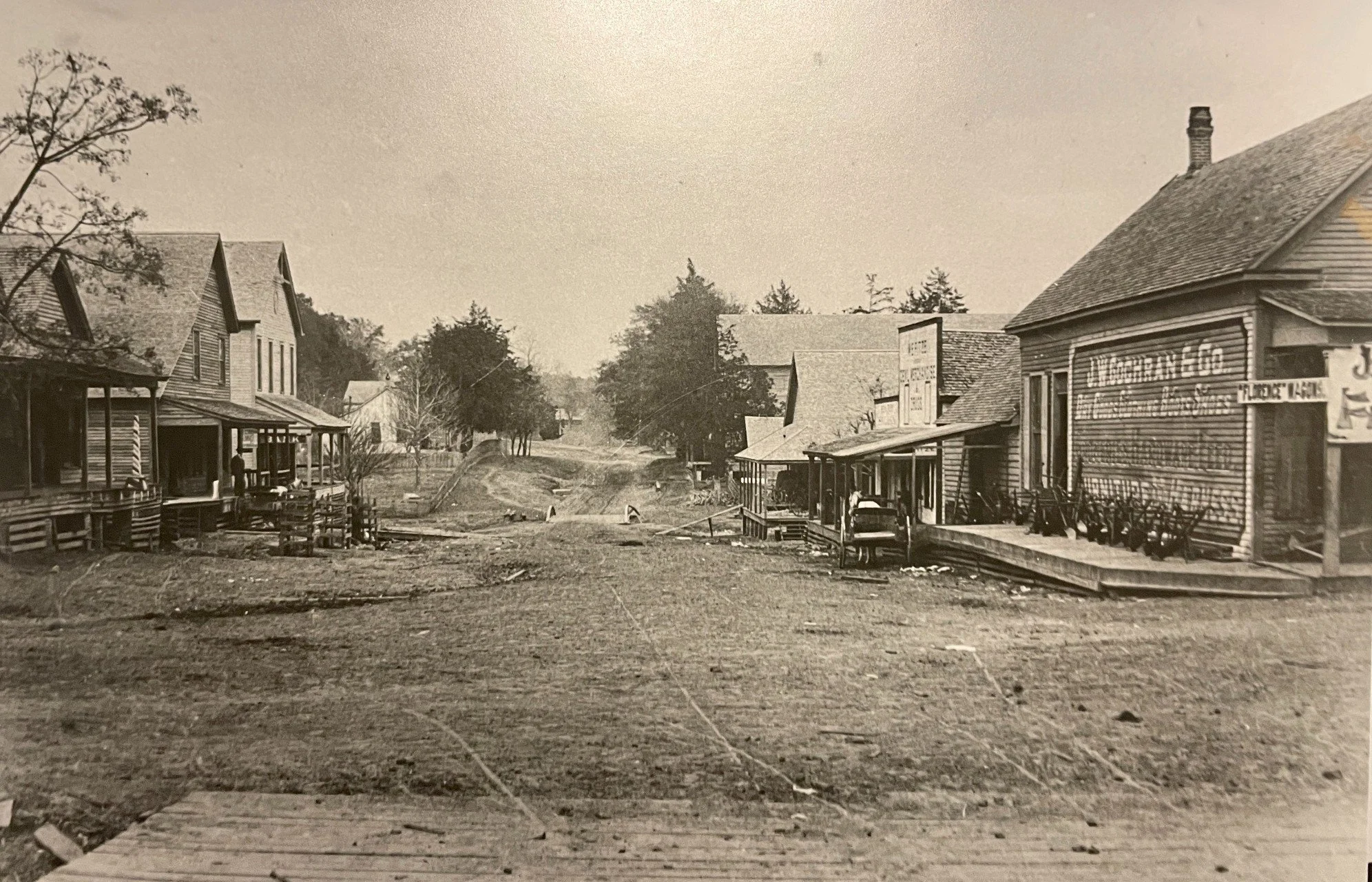
In 2023, the Methodist community of Livingston celebrated a remarkable milestone: 175 years of continuous service. From the dusty trails of frontier circuit riders to the bustling heart of modern Polk County, the church’s history is a testament to resilience and community spirit.
The Frontier Beginnings
Methodism in Texas was born from the "circuit rider" system—itinerant preachers who traveled by horseback to reach isolated settlers. Notable pioneers included:
William Stevenson: The first Protestant preacher to enter Texas (1817).
Reverend Frances "Brother Frank" Wilson: A legendary figure who traveled 150,000 miles and delivered 7,000 sermons, often under the threat of frontier dangers. He served Livingston from 1853–1855.
D.M. Stovall: An ordained minister at age 18, Stovall built Livingston’s very first house of worship in 1858, replacing the local courthouse as the primary meeting place.
The Three Homes of the Church
The congregation’s physical presence on Church Street evolved through three distinct eras:
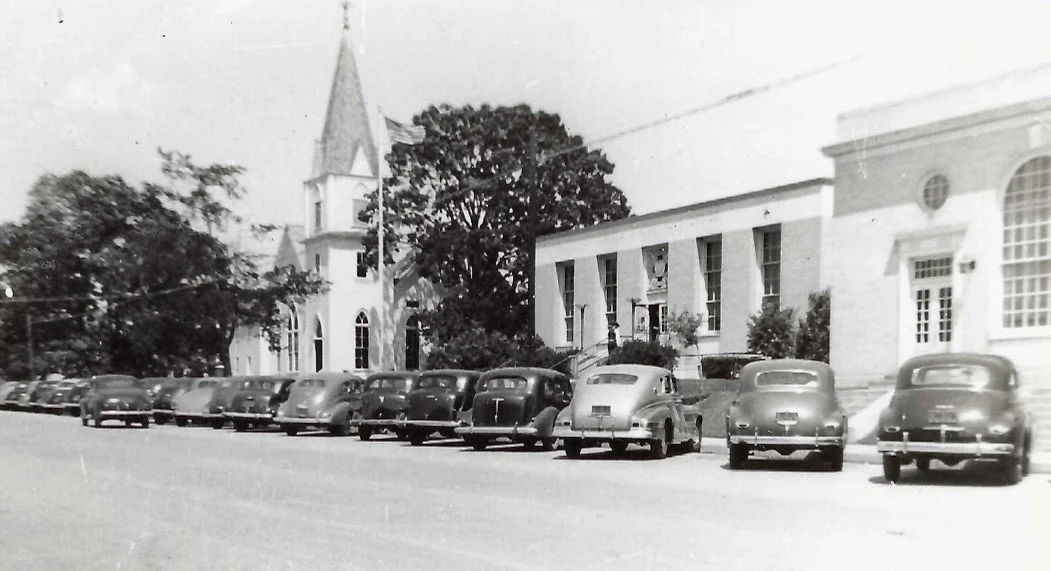
1859 – The First Chapel: A simple frame building on the old cemetery lot. Known as "everybody’s church," it was shared with Presbyterians and Baptists for three decades and doubled as a schoolhouse.
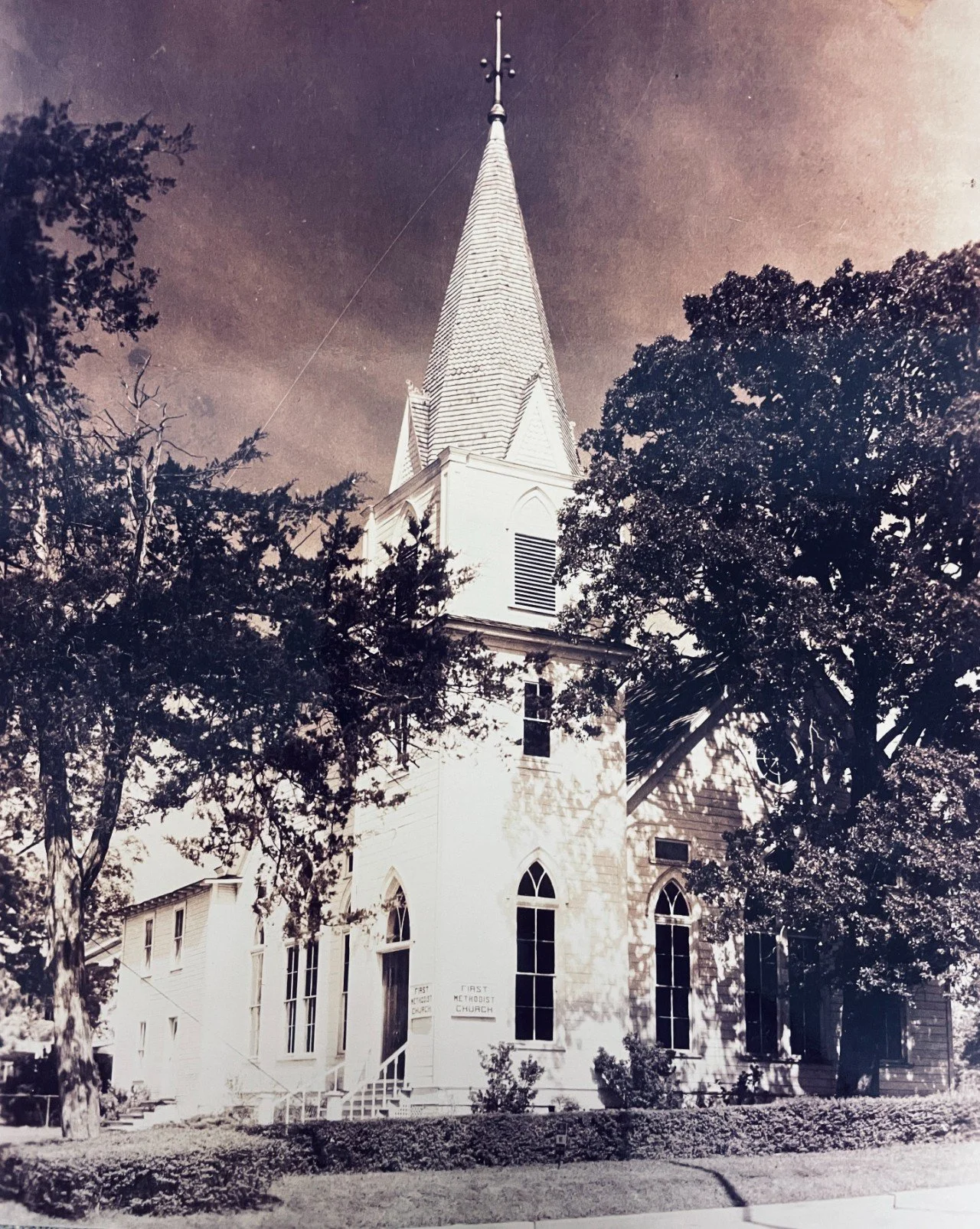
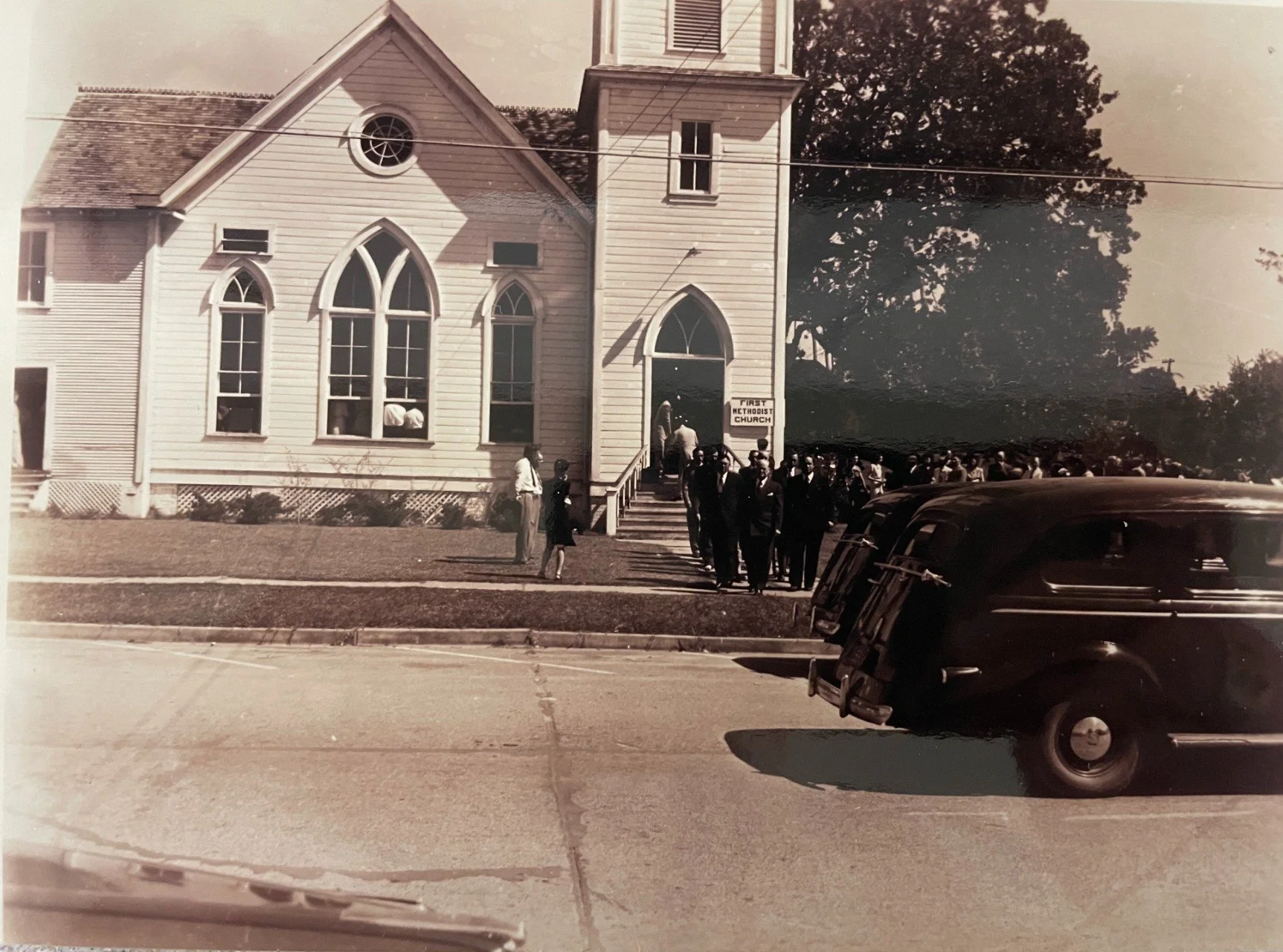
1909 – The White Frame Church: A lovely wood-frame chapel featuring rose-tinted lancet windows and a handcrafted spire. This building hosted the town’s first high school graduations.
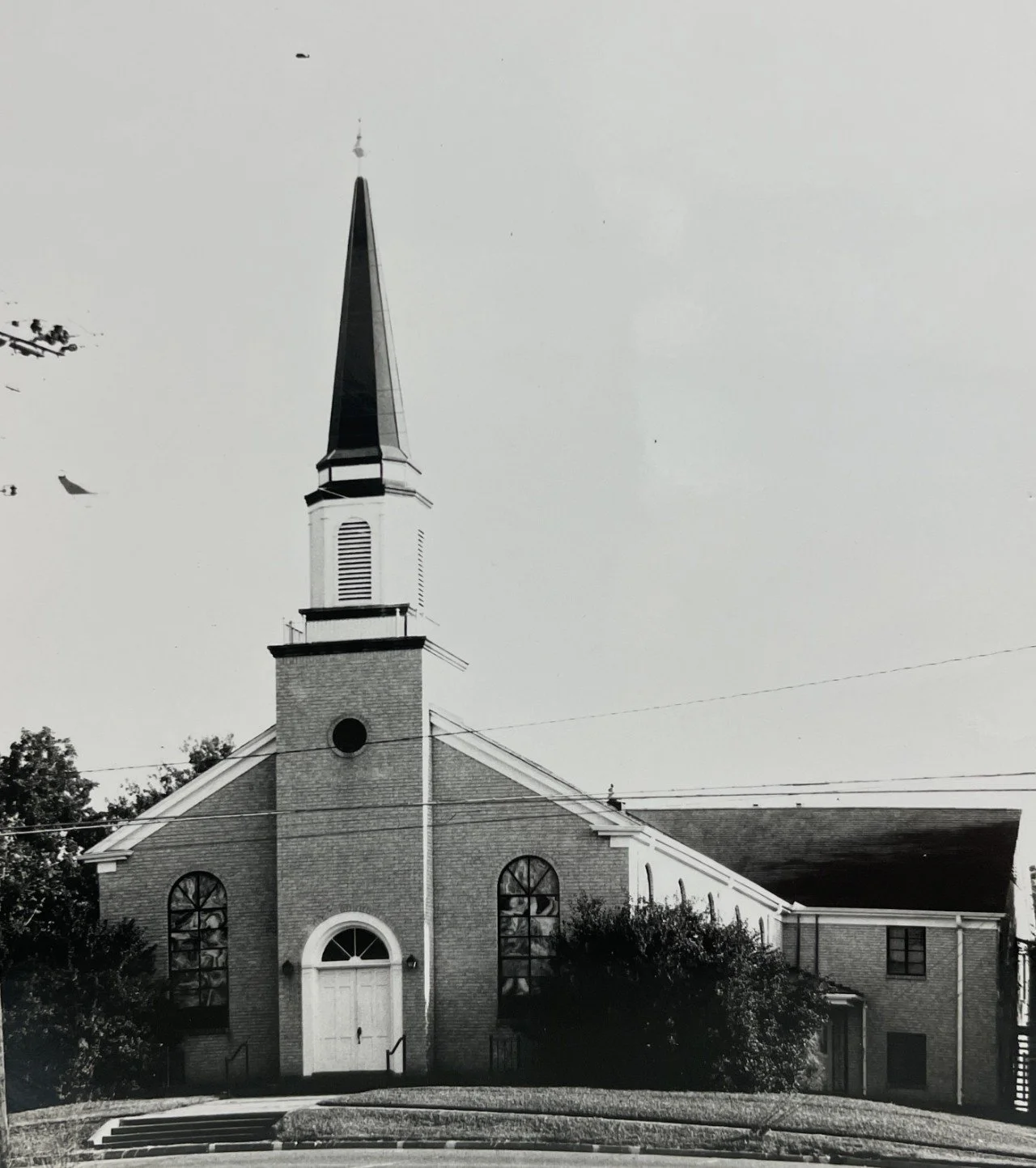
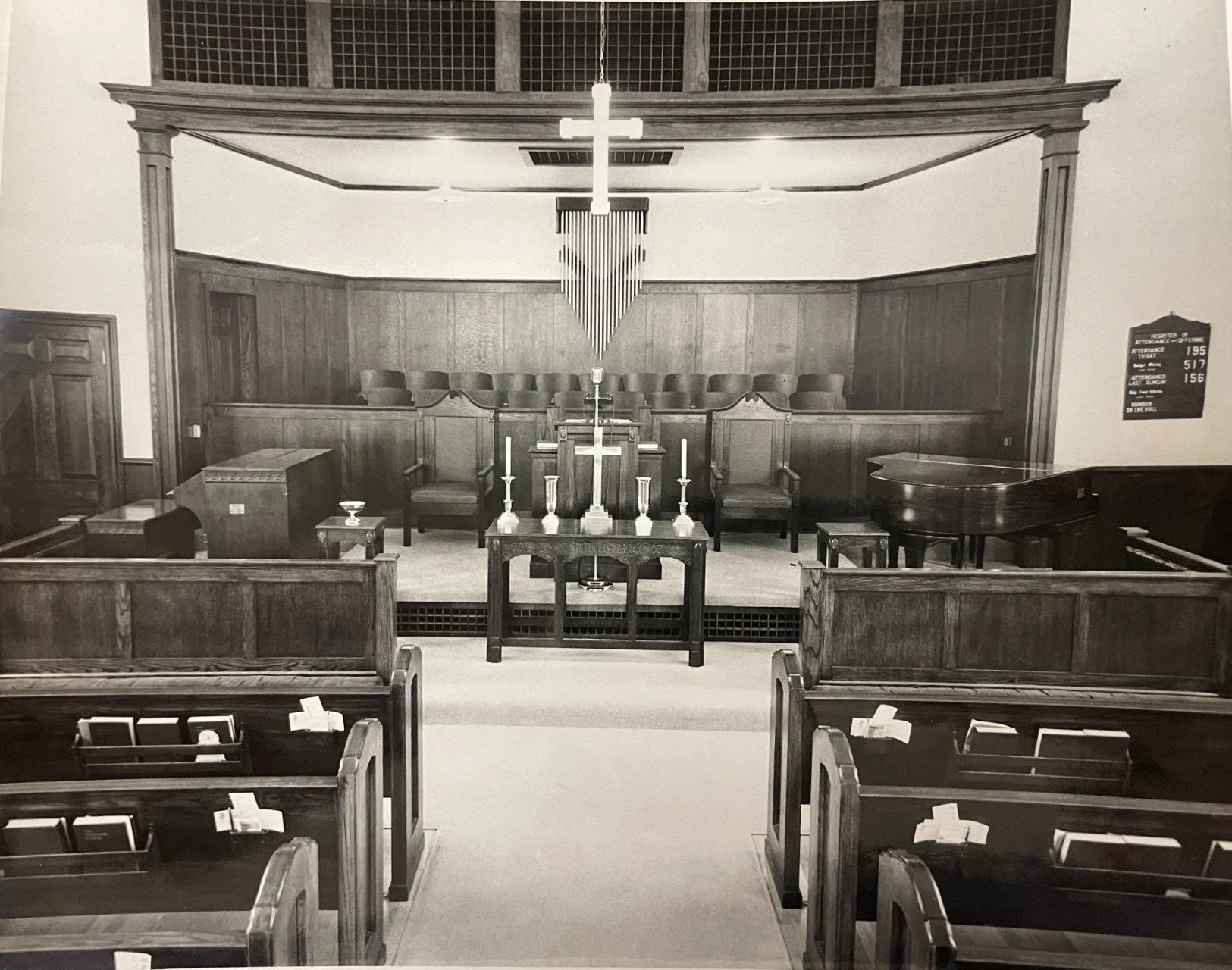
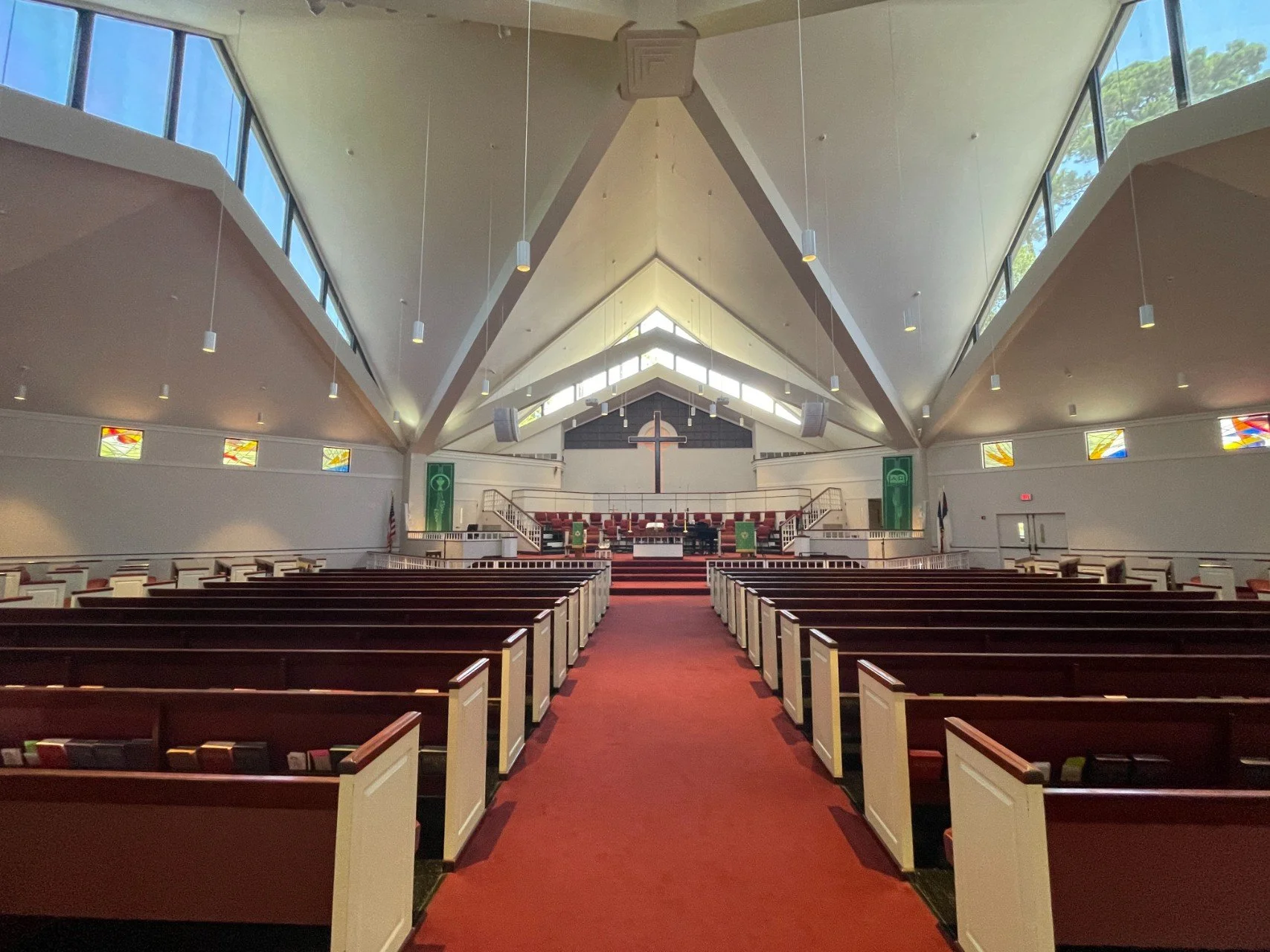
1949 – The Brick Landmark: Following damage to the previous structure (legend says it was a "ball of lightning"), a $60,000 brick sanctuary was constructed. In 1951, it was officially dedicated as First Methodist Church.
"The greatest result... was the bringing together of people of the town in a spiritual union, in strengthening the membership of the churches, and in reviving the hope and cheering the faith of the community."
— Polk County Enterprise, 1908
A Spirit of Unity
Historically, Livingston’s churches were famous for their cooperation. The town often held "Union Services" and "Everybody’s Revivals" where all businesses would close so citizens could gather at the courthouse or the local Opera House.
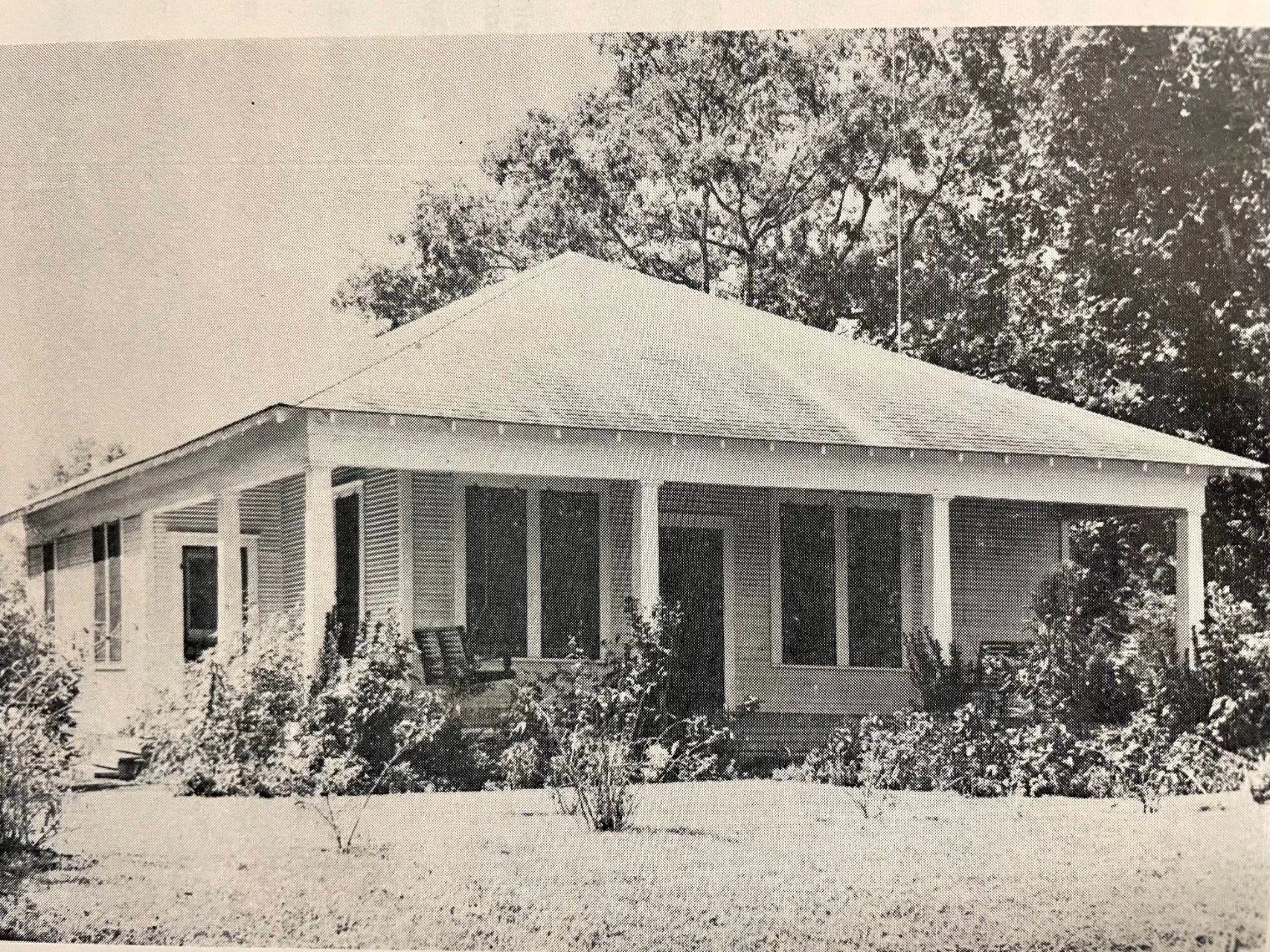
The ladies of the church were equally vital, raising funds for missions and building projects through ice cream socials, quilt sales, and community concerts. By 1950, membership had grown to 500, leading to the addition of a Christian Education Building (1956) and a new parsonage (1960).